
Václav Petr and Virtuosi di basso
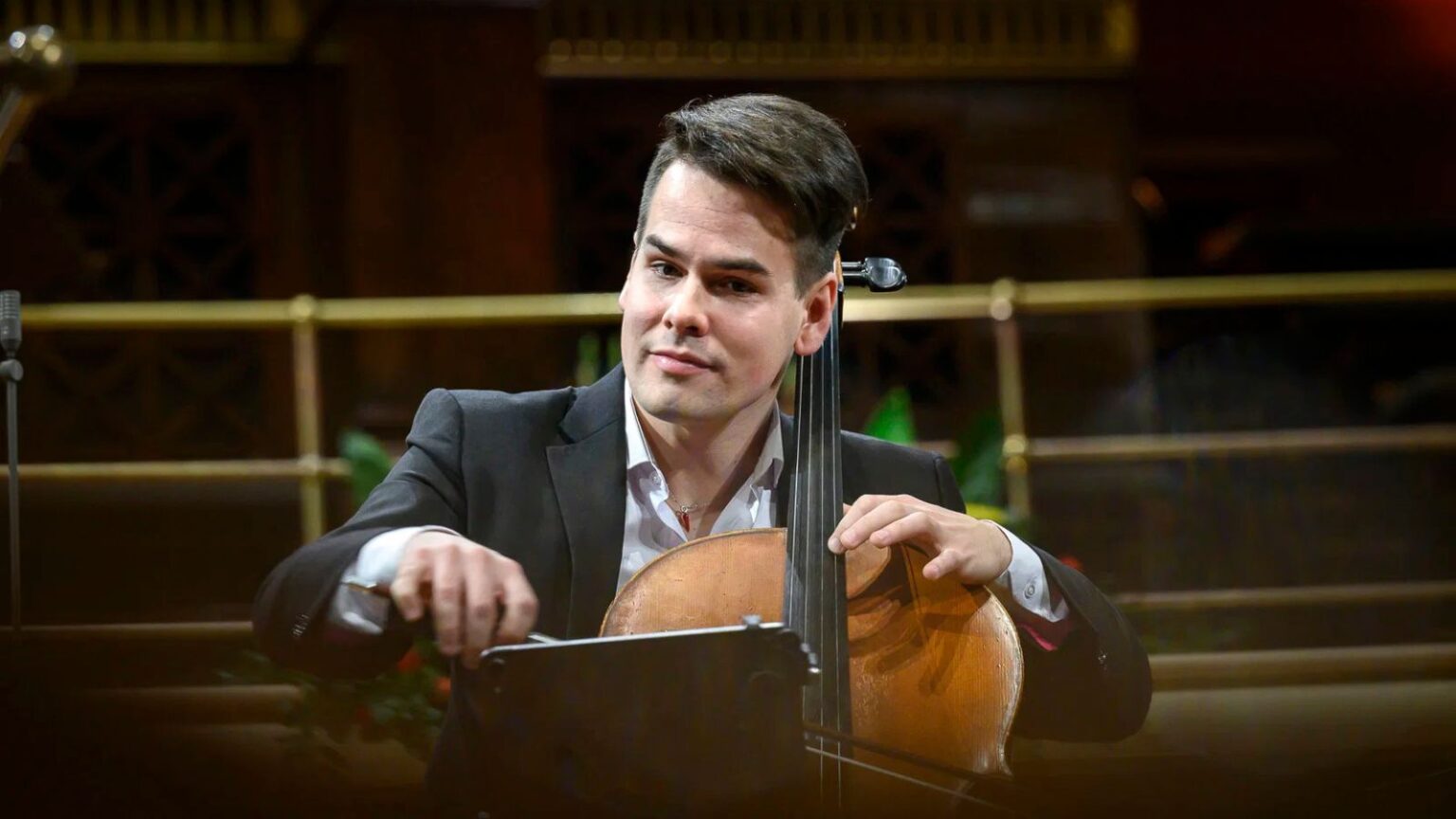
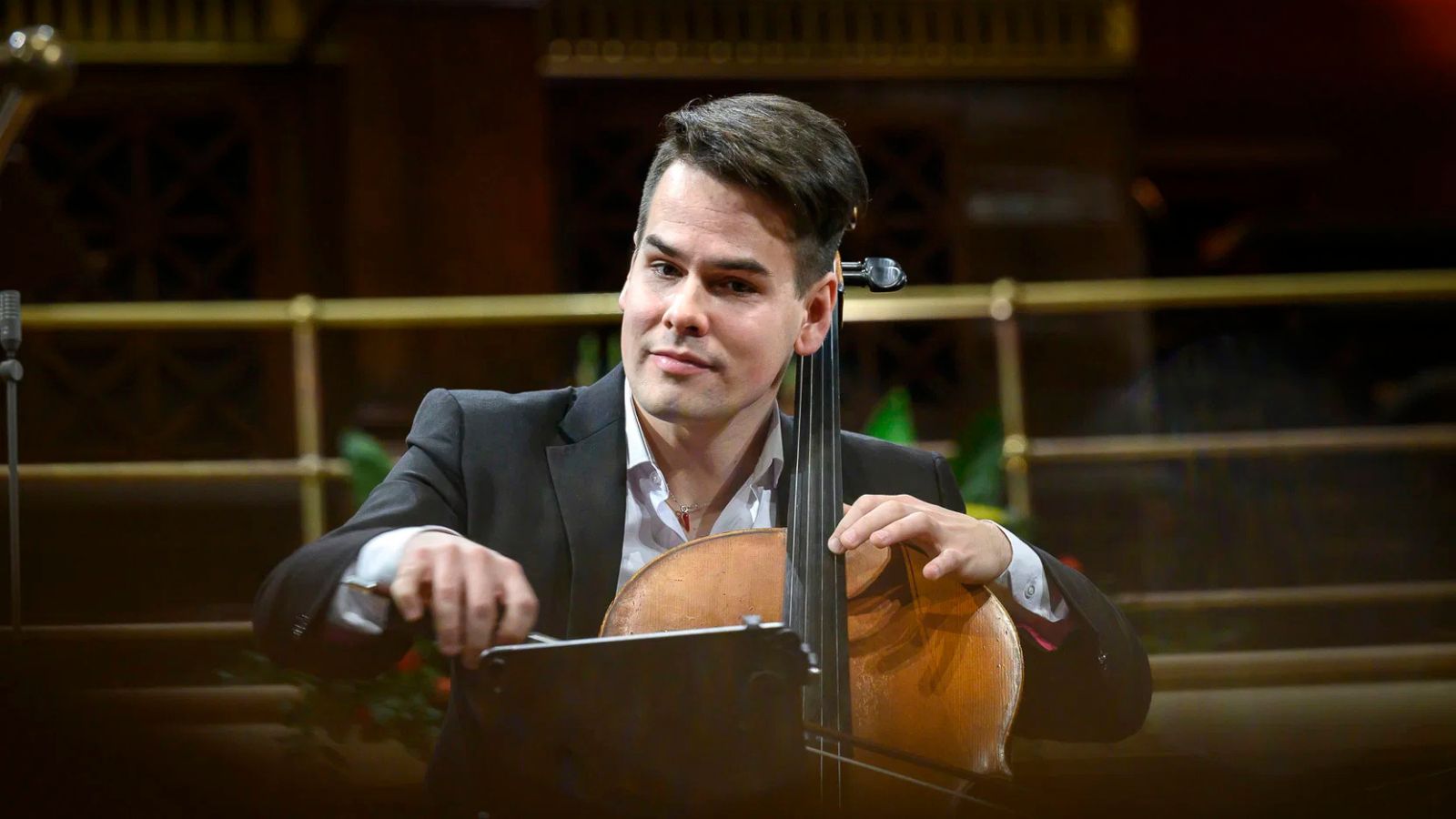
Václav Petr is one of the most prominent Czech cellists of his generation. Winner of the 70th Prague Spring International Music Competition and a semifinalist in the Emanuel Feuermann Grand Prix, he has performed as a soloist with the Czech Philharmonic, the Czech Radio Symphony Orchestra, the Prague Philharmonia, and numerous other orchestras at home and abroad. With the Czech Philharmonic, he has performed Dvořák’s Cello Concerto under the direction of Semyon Bychkov and Jakub Hrůša, and he performed in the world premiere of a concerto by Petr Wajsar at the Dvořák Prague Festival. Petr has been concertmaster of the Czech Philharmonic’s cello ensemble since 2013.
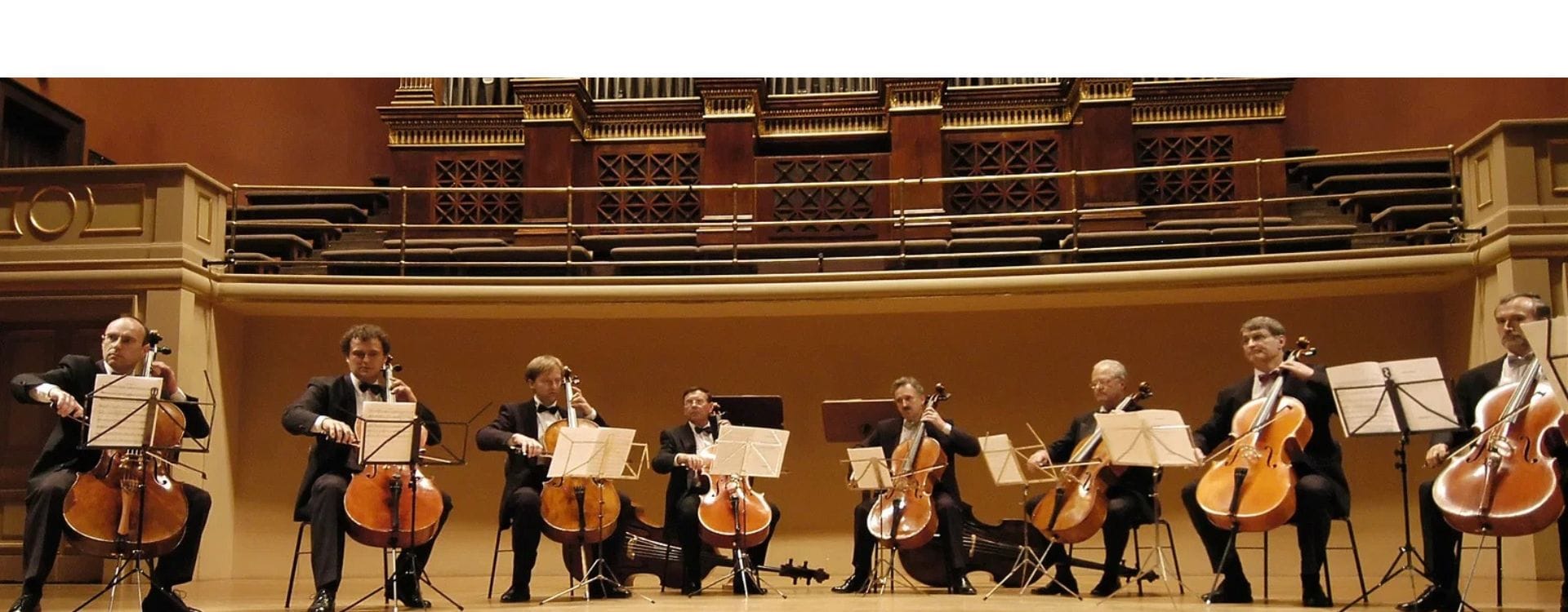
The ensemble of cellists from the Czech Philharmonic was founded 2004. The group also released their first CD that year, and a year later the ensemble – ten cellists and two double bassists – left for a tour of Japan. Its repertoire initially consisted of works by Czech composers (Zdeněk Lukáš, Juraj Filas, Evžen Zámečník, Jiří Gemrot), “custom-written” just for the ensemble. Ten years ago, with the arrival of Václav Petr as concertmaster, and with other outstanding musicians such as Ivan Vokáč, Eduard Šístek, and Matěj Štěpánek joining the Philharmonic’s cello section, a new, young generation brought fresh ideas that gave the ensemble new momentum. Virtuosi di Basso currently performs with a lineup of eight cellos and one double bass. For the past several years, the ensemble has collaborated with composer and arranger Tomáš Ille, whose arrangements have significantly expanded its already extensive repertoire to include new compositions. Today, the ensemble performs regularly in the Czech Republic and in neighboring Germany.