Jan Mráček
Violin
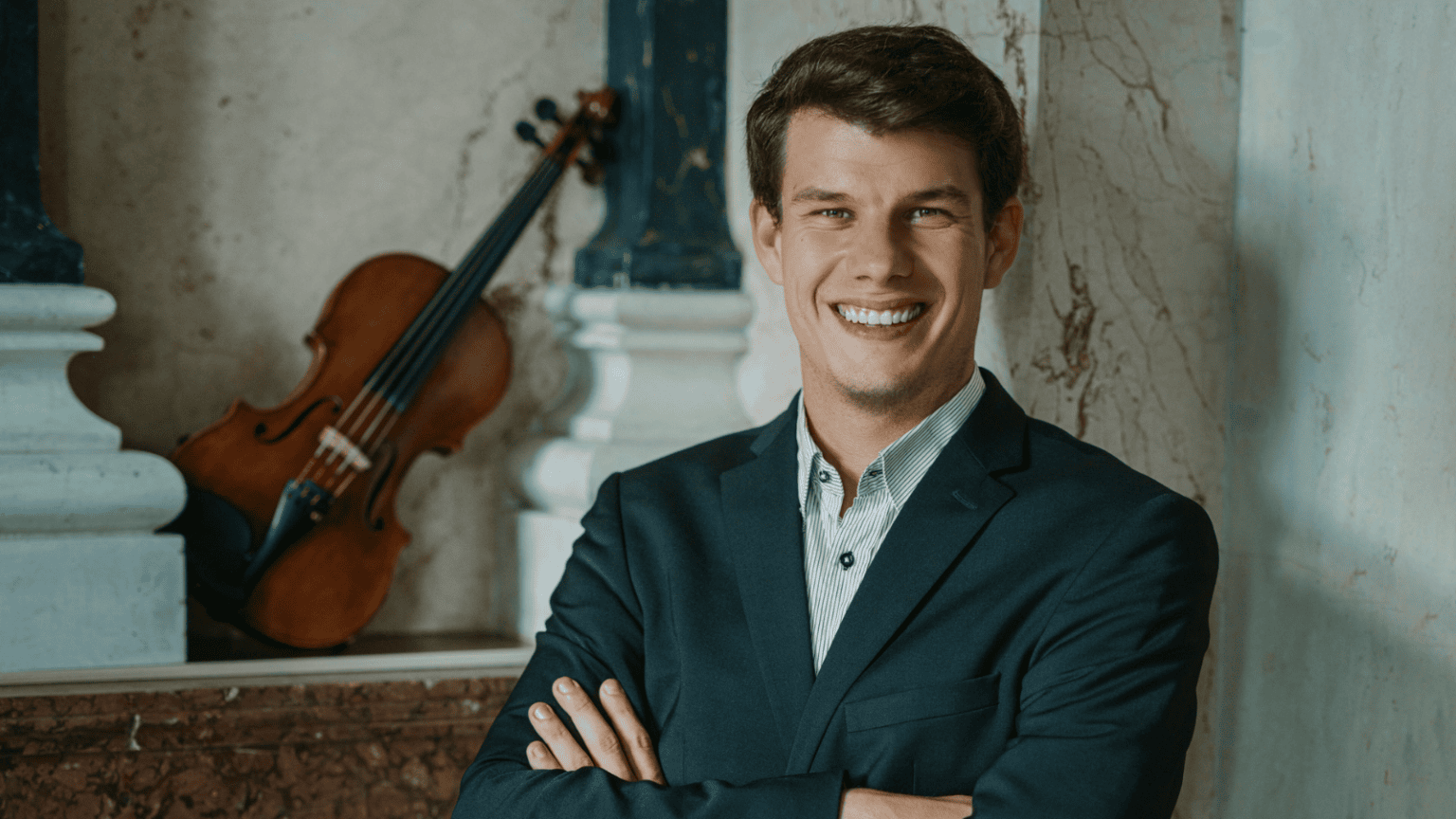
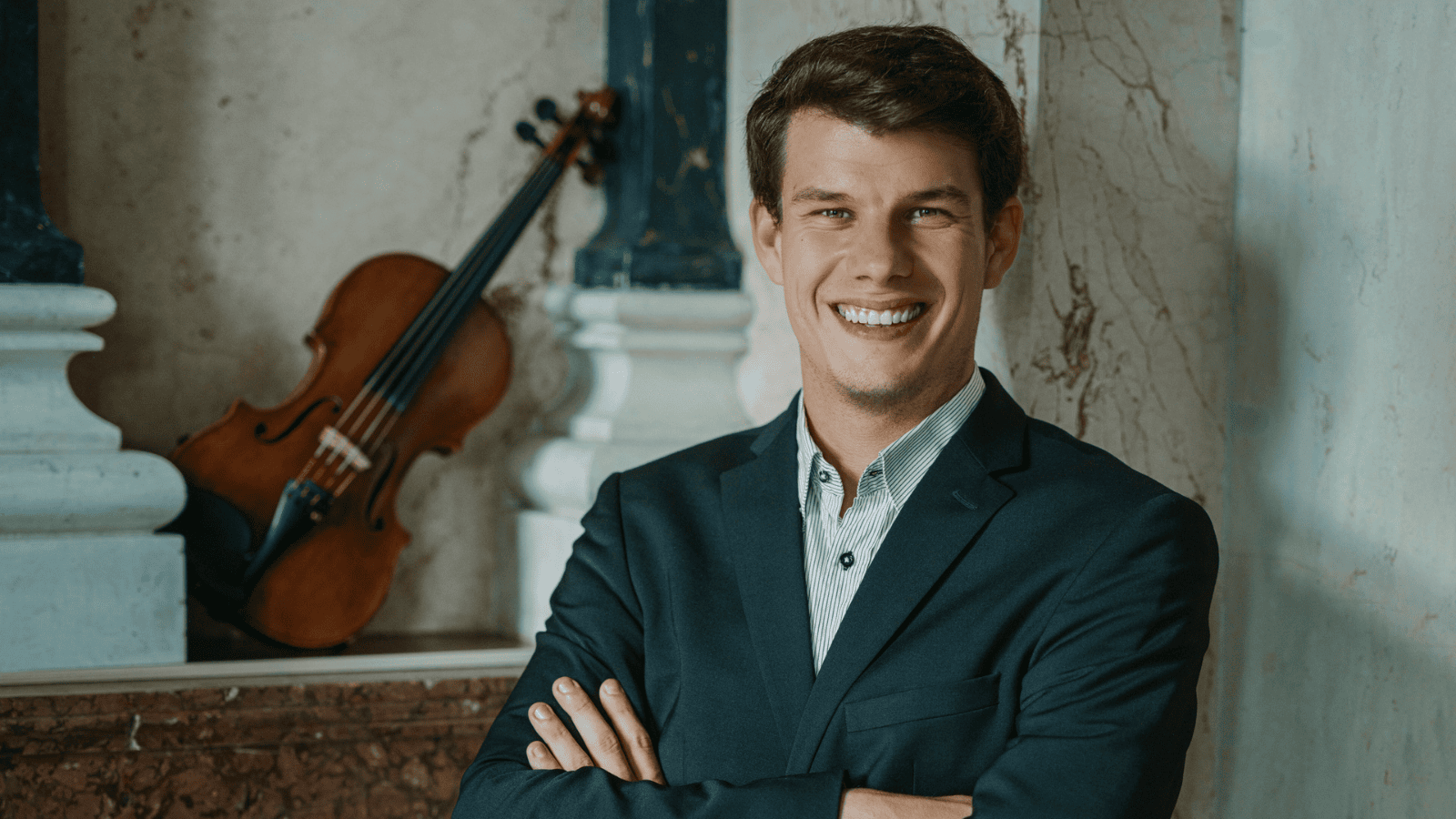
Leading soloist, chamber musician, and concertmaster of the Czech Philharmonic Jan Mráček came to public attention at a young age when he became the youngest laureate of the Prague Spring International Music Competition and won the prestigious Fritz Kreisler Violin Competition in Vienna. He took on the role of concertmaster of the Czech Philharmonic at the behest of Jiří Bělohlávek. As a soloist he has performed with the Royal Philharmonic Orchestra in London and at the renowned Suntory Hall with the Tokyo Philharmonic Orchestra, among others. Conductor Franz Welser-Möst has repeatedly invited him to serve as guest concertmaster with the Cleveland Orchestra, with whom he gave a concert at New York’s Carnegie Hall, and in 2022 he performed in the same role with the Berlin Philharmonic. Mráček is also a member of the Lobkowicz Trio and a winner of the Johannes Brahms International Music Competition. His recording of Antonín Dvořák’s complete violin works received rave reviews. Gramophone magazine has praised the “silvery tone” of his violin as well as his “assertiveness and sensitivity to style.” He plays a 1770 Nicolò Gagliano violin, on loan from the Fidula Foundation.
Leading soloist, chamber musician, and concertmaster of the Czech Philharmonic Jan Mráček came to public attention at a young age when he became the youngest laureate of the Prague Spring International Music Competition and won the prestigious Fritz Kreisler Violin Competition in Vienna. He took on the role of concertmaster of the Czech Philharmonic at the behest of Jiří Bělohlávek. As a soloist he has performed with the Royal Philharmonic Orchestra in London and at the renowned Suntory Hall with the Tokyo Philharmonic Orchestra, among others. Conductor Franz Welser-Möst has repeatedly invited him to serve as guest concertmaster with the Cleveland Orchestra, with whom he gave a concert at New York’s Carnegie Hall, and in 2022 he performed in the same role with the Berlin Philharmonic. Mráček is also a member of the Lobkowicz Trio and a winner of the Johannes Brahms International Music Competition. His recording of Antonín Dvořák’s complete violin works received rave reviews. Gramophone magazine has praised the “silvery tone” of his violin as well as his “assertiveness and sensitivity to style.” He plays a 1770 Nicolò Gagliano violin, on loan from the Fidula Foundation.
Petr Altrichter
Conductor
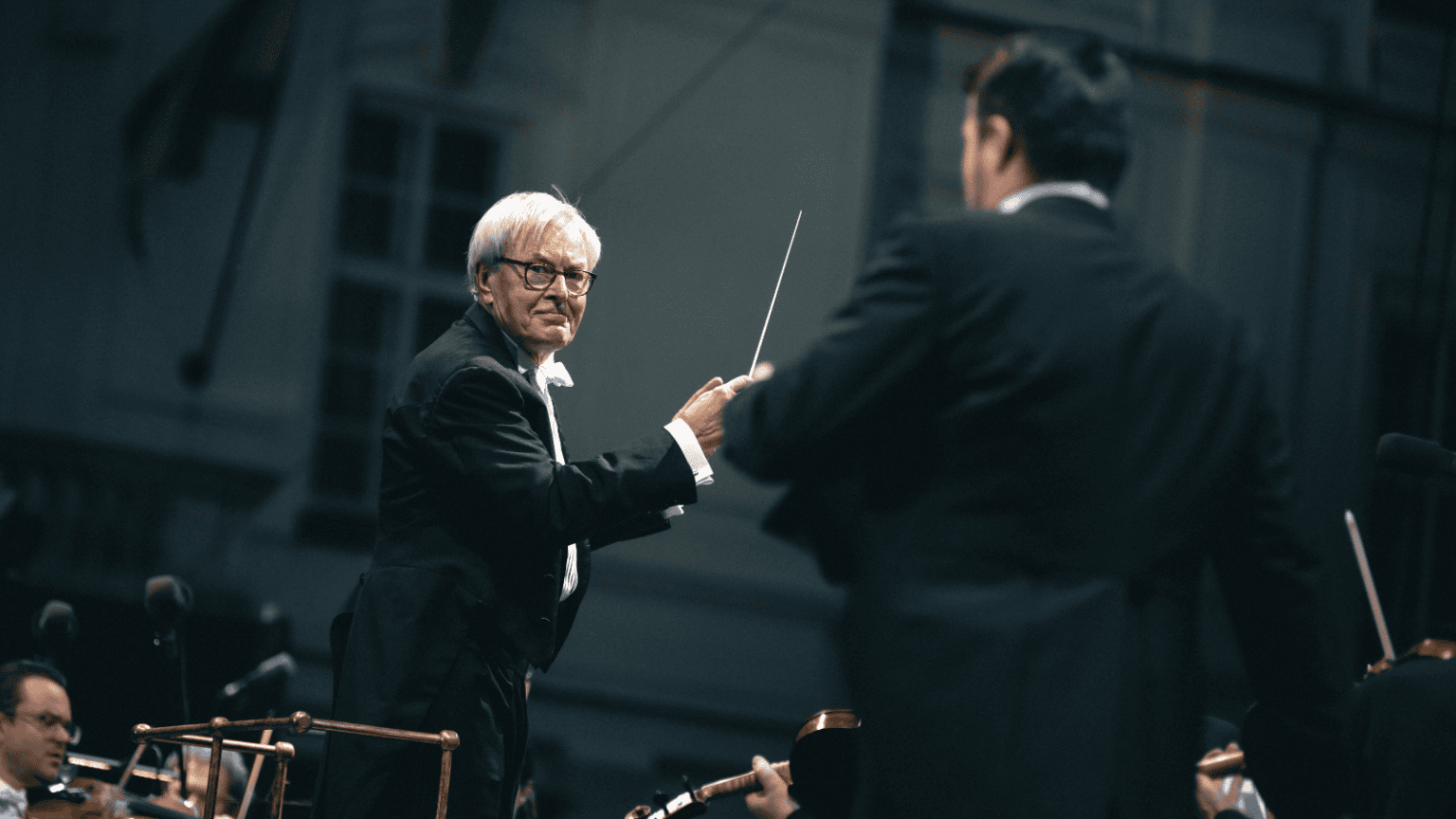
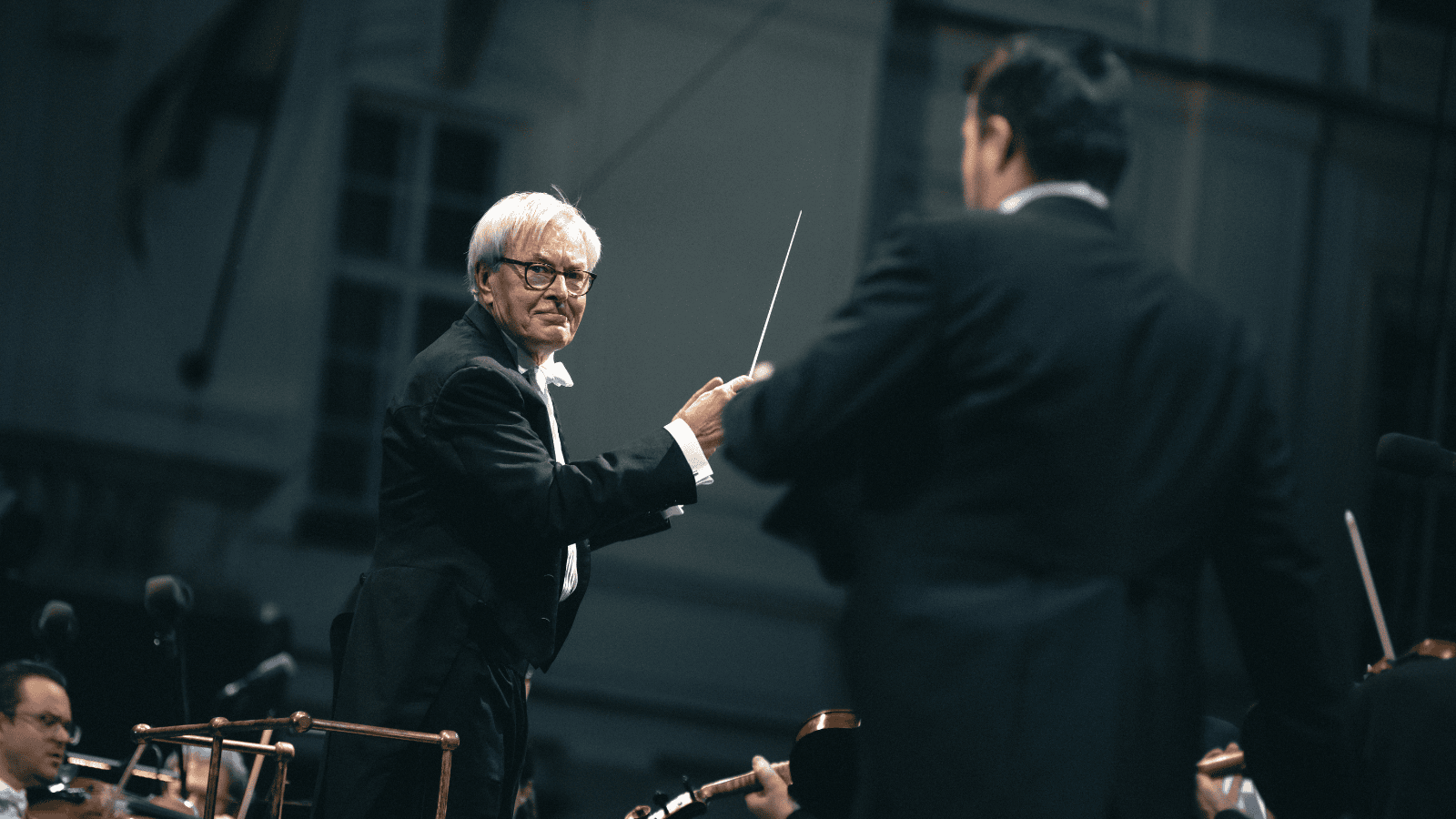
Petr Altrichter is one of the most prominent Czech conductors today. He studied French horn and conducting at the conservatory in Ostrava, followed by conducting at JAMU in Brno. He gained international recognition in 1976 as a winner of the prestigious conducting competition in Besançon, France. He then worked as an assistant to Václav Neumann at the Czech Philharmonic, with which he continues to collaborate to this day, having undertaken numerous tours with the orchestra throughout Europe and Asia. He has served as chief conductor of the Prague Symphony Orchestra (FOK) and the Brno Philharmonic. Abroad, he was music director of the Südwestdeutsche Philharmonie Konstanz and principal conductor of the Royal Liverpool Philharmonic, with which he performed at the BBC Proms in 2000. Since the 2018/2019 season, he has served as a permanent guest conductor of the Slovak Philharmonic. He has also guest conducted leading orchestras worldwide, including the NHK Symphony Orchestra, the BBC Symphony Orchestra, and the London Philharmonic Orchestra, and he has appeared at festivals ranging from the Prague Spring to the Salzburg and Edinburgh festivals. The main focus of his repertoire is Czech music, in particular Smetana, Dvořák, Janáček, and Martinů, but he also performs Shostakovich, Mahler, and Bruckner.
Petr Altrichter is one of the most prominent Czech conductors today. He studied French horn and conducting at the conservatory in Ostrava, followed by conducting at JAMU in Brno. He gained international recognition in 1976 as a winner of the prestigious conducting competition in Besançon, France. He then worked as an assistant to Václav Neumann at the Czech Philharmonic, with which he continues to collaborate to this day, having undertaken numerous tours with the orchestra throughout Europe and Asia. He has served as chief conductor of the Prague Symphony Orchestra (FOK) and the Brno Philharmonic. Abroad, he was music director of the Südwestdeutsche Philharmonie Konstanz and principal conductor of the Royal Liverpool Philharmonic, with which he performed at the BBC Proms in 2000. Since the 2018/2019 season, he has served as a permanent guest conductor of the Slovak Philharmonic. He has also guest conducted leading orchestras worldwide, including the NHK Symphony Orchestra, the BBC Symphony Orchestra, and the London Philharmonic Orchestra, and he has appeared at festivals ranging from the Prague Spring to the Salzburg and Edinburgh festivals. The main focus of his repertoire is Czech music, in particular Smetana, Dvořák, Janáček, and Martinů, but he also performs Shostakovich, Mahler, and Bruckner.
Czech Philharmonic
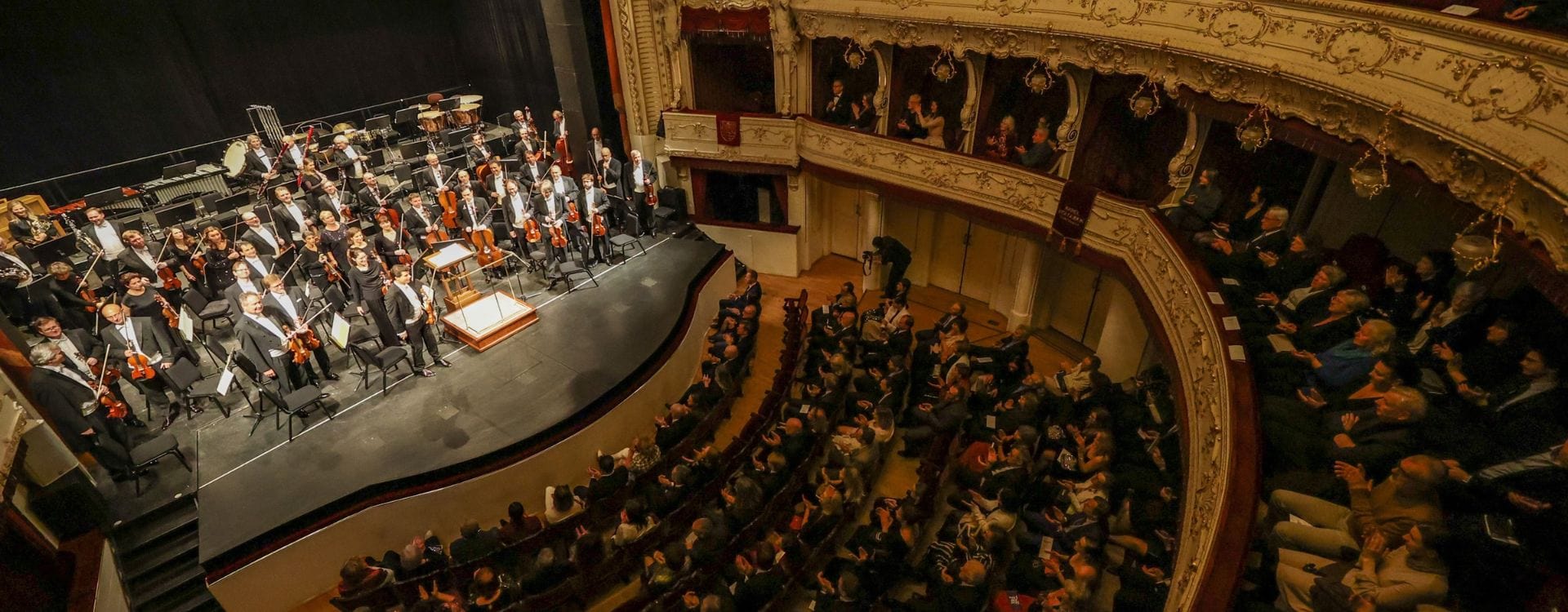
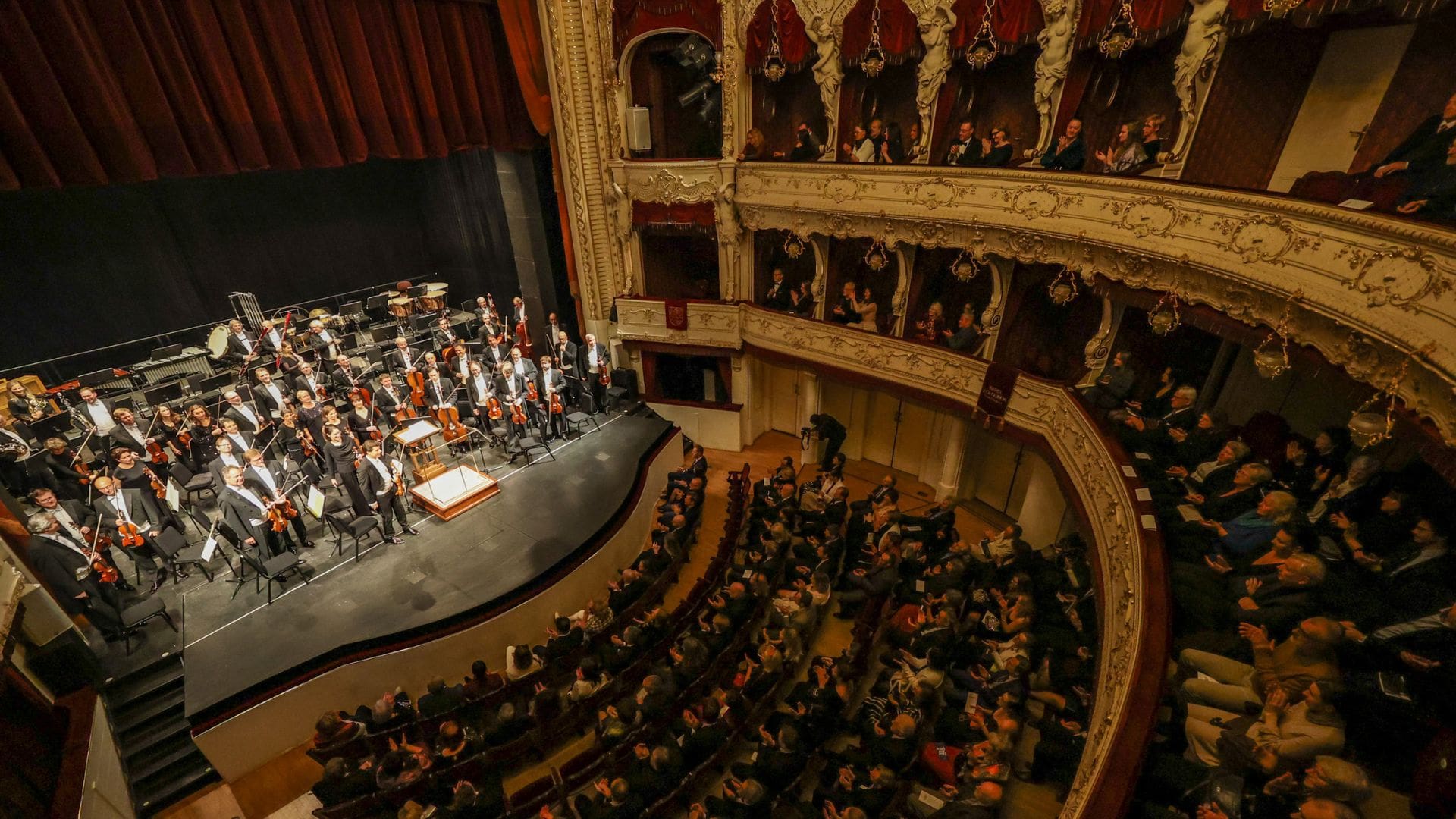
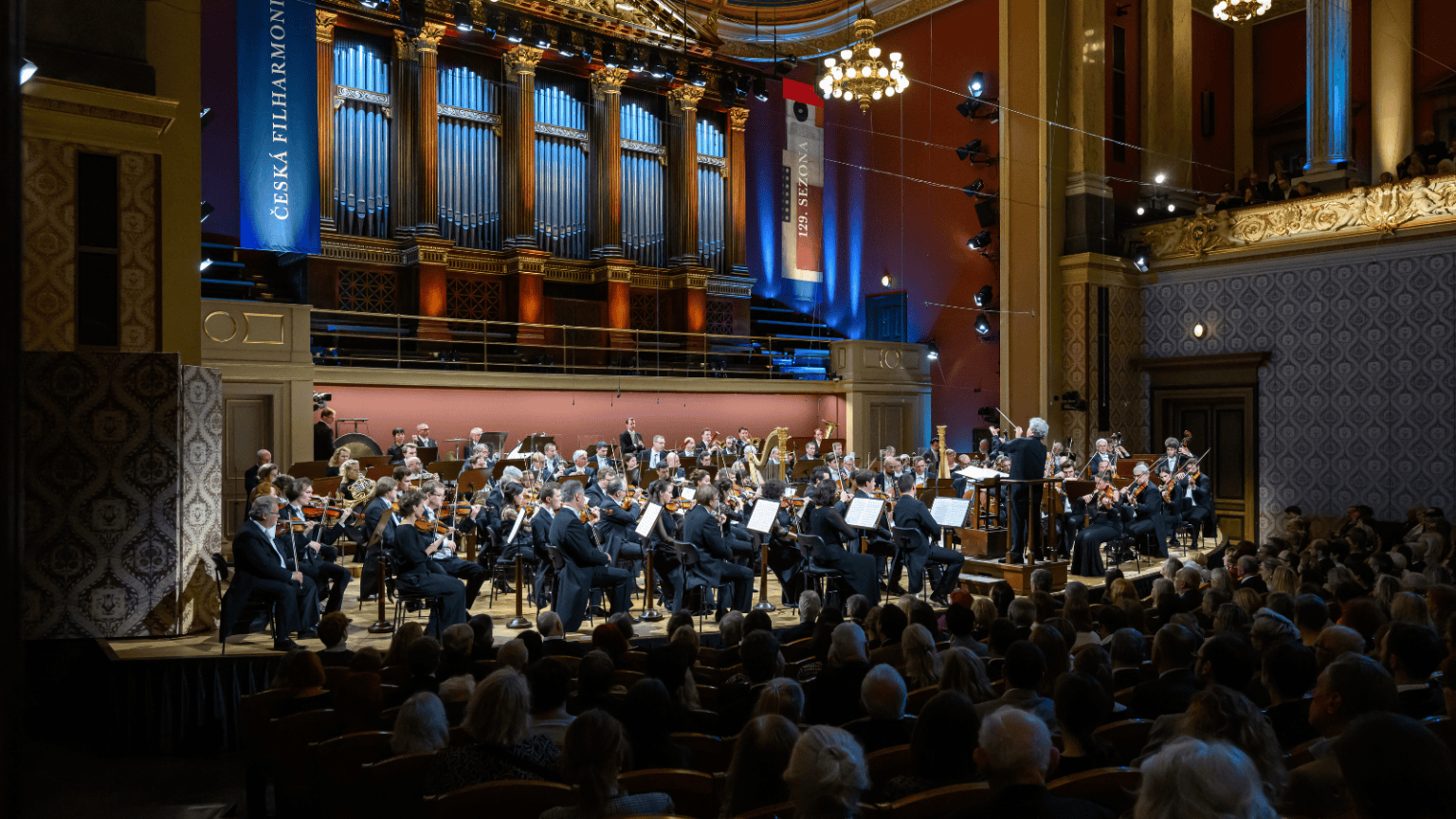
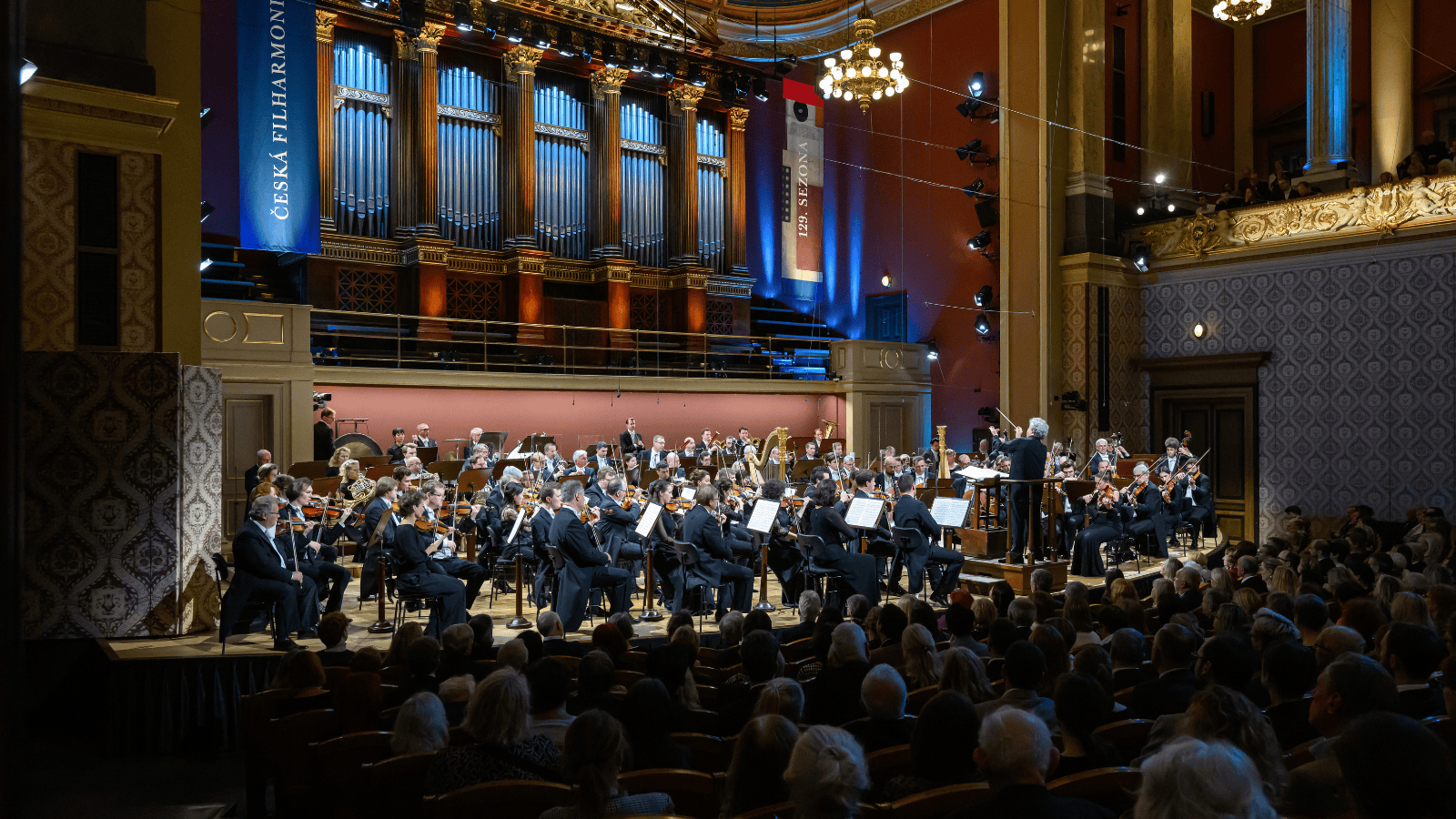
Over the course of its 130-year history, the Czech Philharmonic has established itself as one of the most important ambassadors of Czech musical culture. The orchestra systematically focuses on presenting works by Czech composers, both past and present, and it is highly regarded by audiences and critics alike as a leading interpreter of the world’s symphonic repertoire. Since the 2018/2019 season, the Czech Philharmonic has been led by chief conductor and music director Semyon Bychkov, under whose leadership it regularly performs the Classical and Romantic repertoire along with works by contemporary composers; it also regularly appears at prestigious venues and festivals around the world. The Czech Philharmonic’s artistic activities are based on four pillars: concerts for domestic audiences, international tours, recording projects, and extensive educational activities. The orchestra’s artistic profile is further shaped by Simon Rattle, principal guest conductor holding the title of Rafael Kubelík Chair, and Jakub Hrůša, who will assume the role of chief conductor and music director beginning with the 2028/2029 season.
Over the course of its 130-year history, the Czech Philharmonic has established itself as one of the most important ambassadors of Czech musical culture. The orchestra systematically focuses on presenting works by Czech composers, both past and present, and it is highly regarded by audiences and critics alike as a leading interpreter of the world’s symphonic repertoire. Since the 2018/2019 season, the Czech Philharmonic has been led by chief conductor and music director Semyon Bychkov, under whose leadership it regularly performs the Classical and Romantic repertoire along with works by contemporary composers; it also regularly appears at prestigious venues and festivals around the world. The Czech Philharmonic’s artistic activities are based on four pillars: concerts for domestic audiences, international tours, recording projects, and extensive educational activities. The orchestra’s artistic profile is further shaped by Simon Rattle, principal guest conductor holding the title of Rafael Kubelík Chair, and Jakub Hrůša, who will assume the role of chief conductor and music director beginning with the 2028/2029 season.